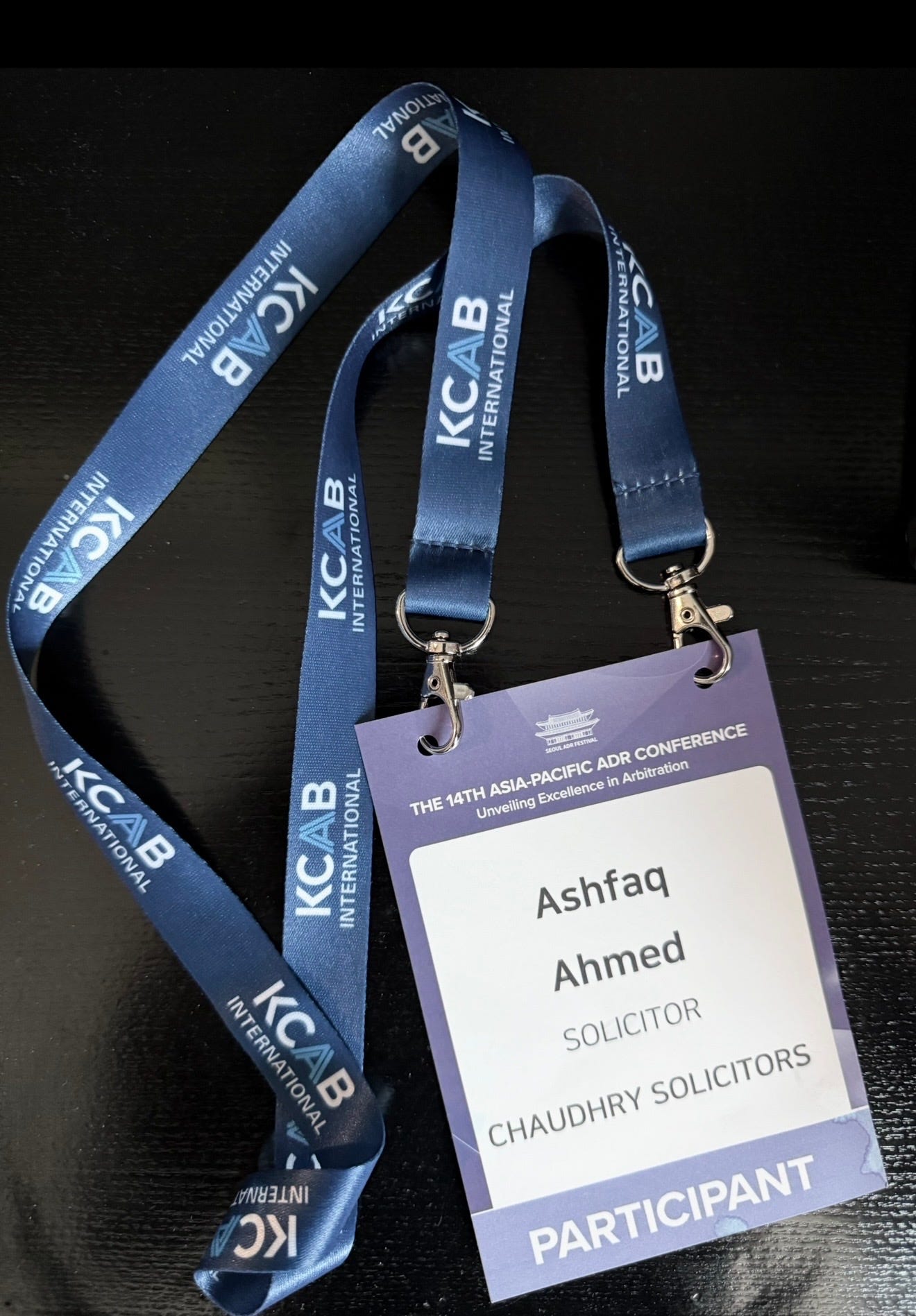
#Singapore International Arbitration Centre - #KCAB INTERNATIONAL - #KCABINTERNATIONAL and #KCAB
𝐒𝐞𝐨𝐮𝐥 𝐀𝐃𝐑 𝐅𝐞𝐬𝐭𝐢𝐯𝐚𝐥 2025
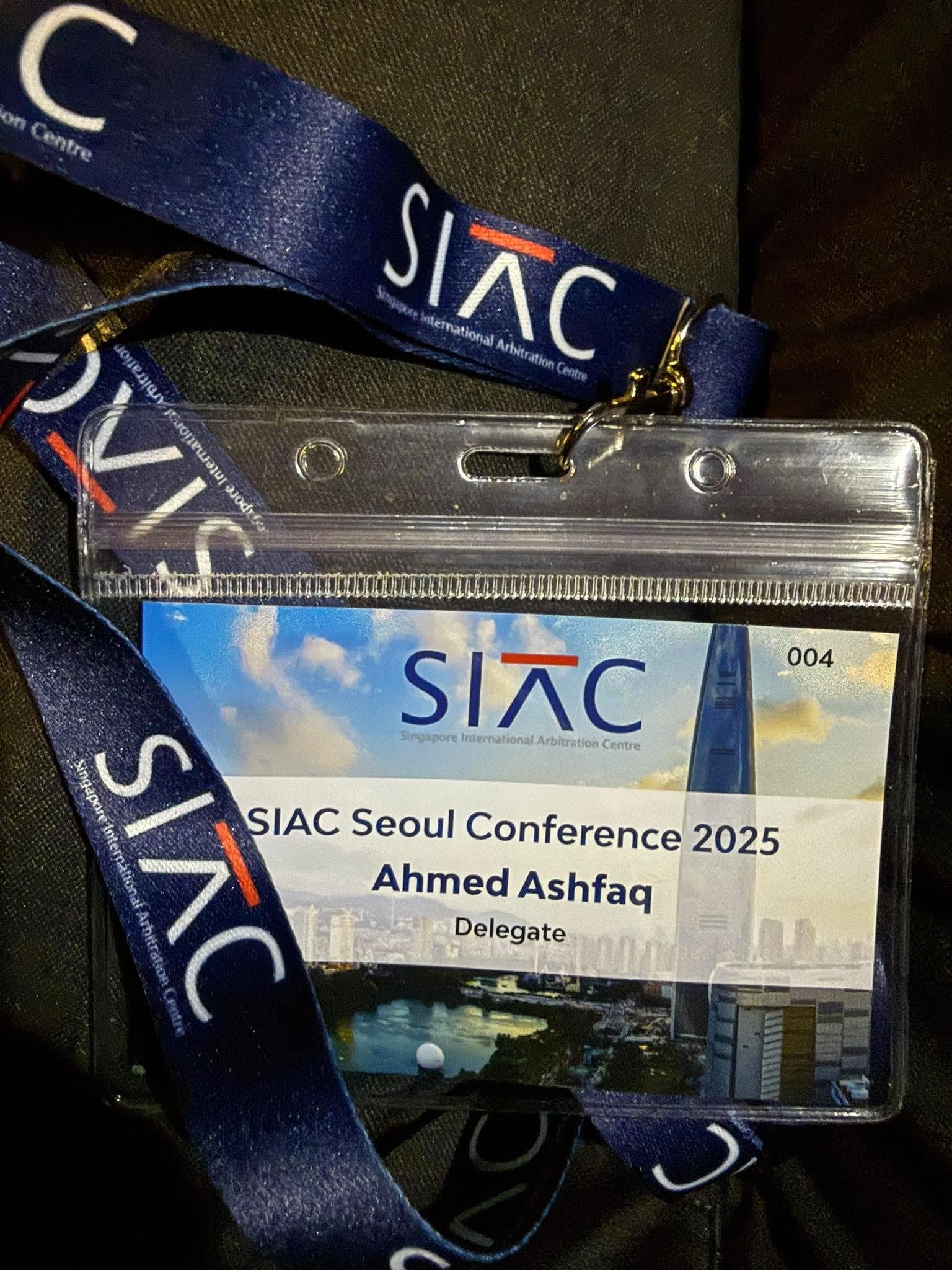
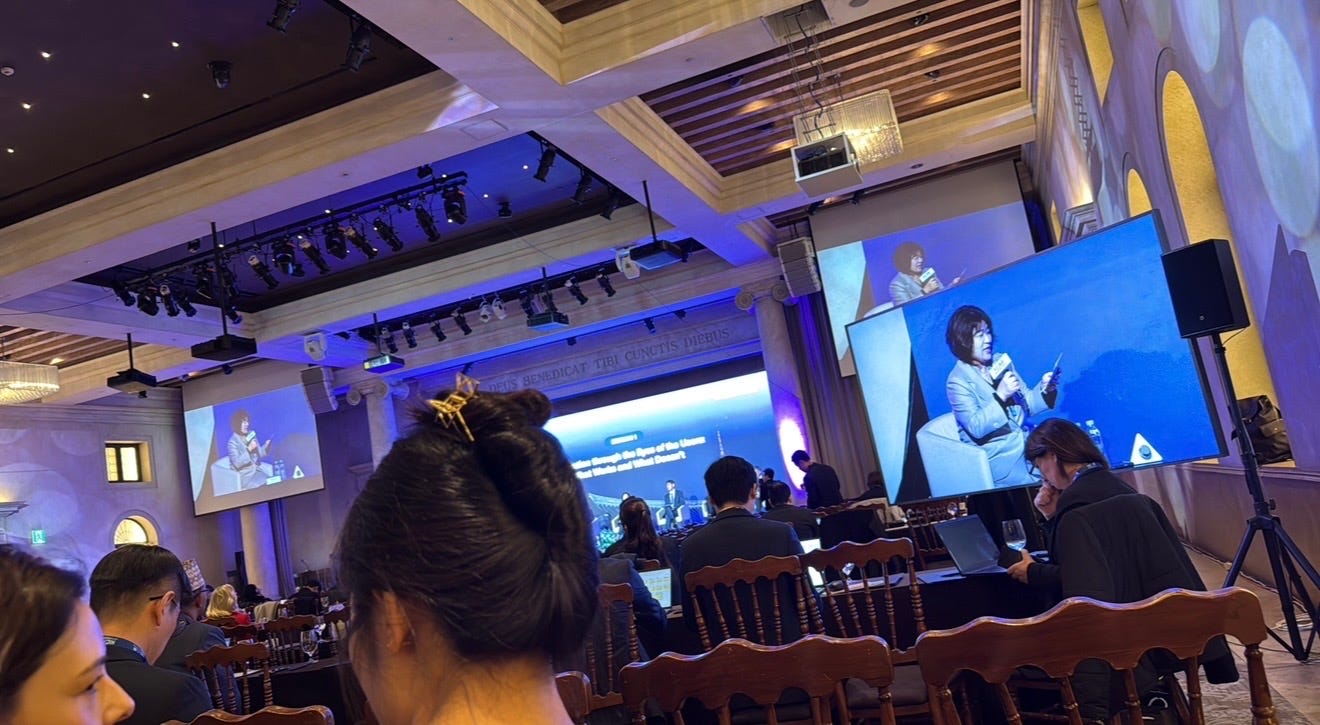
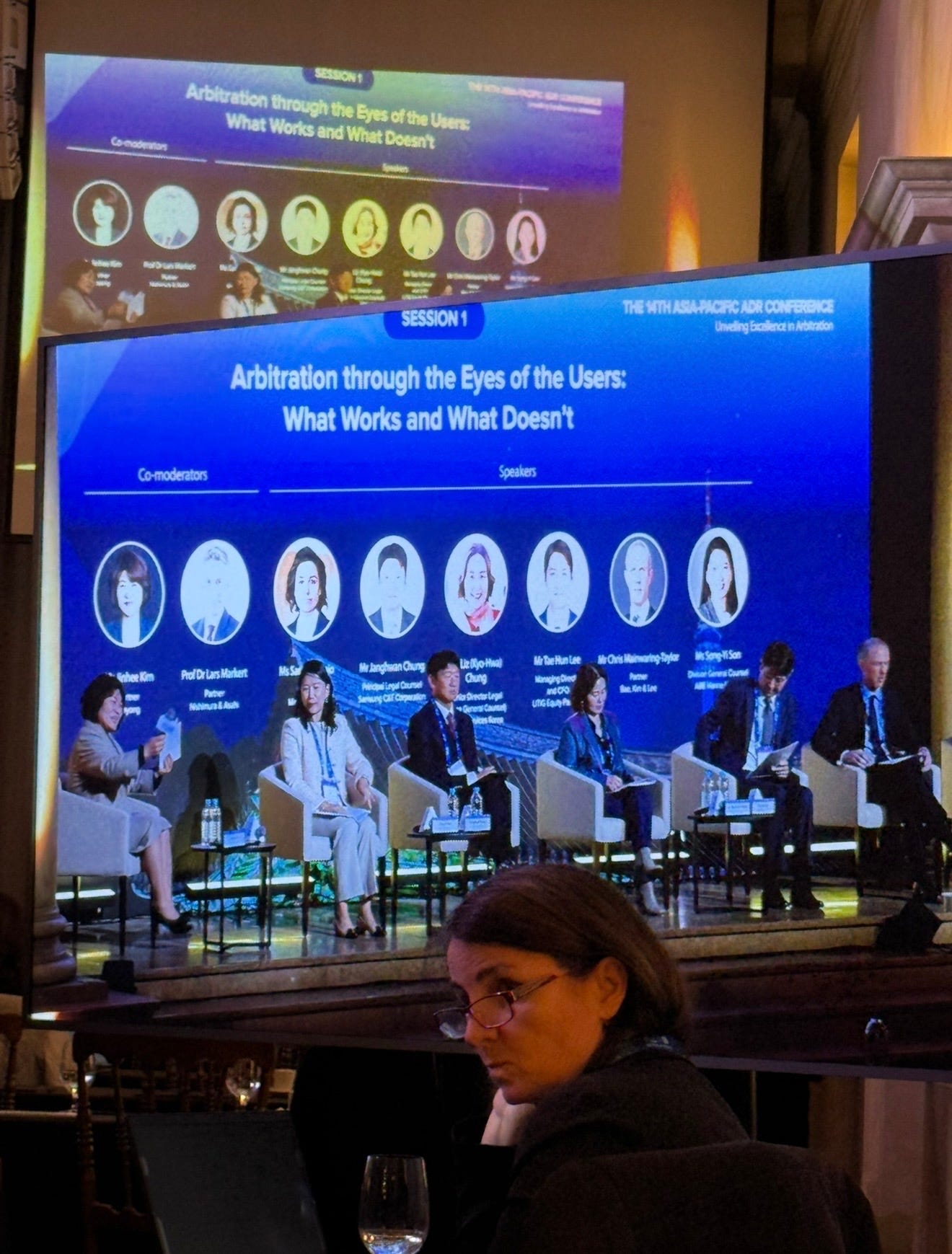
The SIAC Seoul Conference on 28 October 2025 was a masterclass in the future of dispute resolution.
1. SIAC Rules 2025, Past and Present
2. Strengthening Trade Ties Between Korea and Southeast Asia
3. Emerging Sectors in Dispute Resolution in
Korea
For those who couldn't attend, here are the key takeaways that are already reshaping legal strategy:
1. SIAC's 2025 Rules Are a Game-Changer
The new rules are a strategic leap forward. The standout innovation is the Protective Preliminary Order (PPO), allowing for ex parte emergency relief to prevent a counterparty from sabotaging a case before they are even notified, a powerful tool for protecting assets or IP.
Equally transformative is the Streamlined Procedure (SP) for sub-S$1M disputes, offering a documents-only award in three months at half the cost. This finally makes arbitration viable for a vast range of smaller, commercially critical claims. The institution is already delivering on this promise.
2. The "S-Wave" is Reshaping Regional Dispute Resolution.
Amidst geopolitical shifts, investment between Korea and Southeast Asia is booming. The clear trend is the "S-Wave"—the overwhelming choice of Singapore as a neutral seat. Its appeal isn't just SIAC arbitration, but a full suite of options: the International Commercial Court for complex litigation and top-tier mediation, offering a bespoke solution for every type of cross-border dispute.
3. Third-Party Funding is Now a Strategic Financial Tool.
The conversation has evolved. Funding is no longer just for those who can't afford to litigate. Major corporations are now utilising it to mitigate significant disputes, making internal approval easier by offloading Costs and potential adverse outcomes. It's become a crucial part of the in-house counsel's toolkit.
4. Emerging Sectors Face New Frontiers for Disputes
In high-stakes sectors like offshore wind, a seller's market for turbines and geopolitical volatility are creating a perfect storm for complex arbitrations. Meanwhile, in shipbuilding, the green transition is forcing new collaborations, making intellectual property battles the next major frontier for disputes, far beyond traditional contract clashes.
5. AI is Shifting from Hype to Practical Tool
The focus was on practical application. AI is being used to analyse terabytes of project data in a matter of days, providing early case assessment and reclaiming time for strategic judgment. The key takeaway from users is that they welcome the efficiency, but demand that a seasoned lawyer review it.
The Bottom Line
The future of dispute resolution is proactive, not reactive. Success hinges on integrating these innovative rules, neutral forums, financial tools, and technologies into your core business strategy from the very beginning.
Next - ESG In Dispute Resolution?
Newsletter: https://lnkd.in/gUQTCjSG