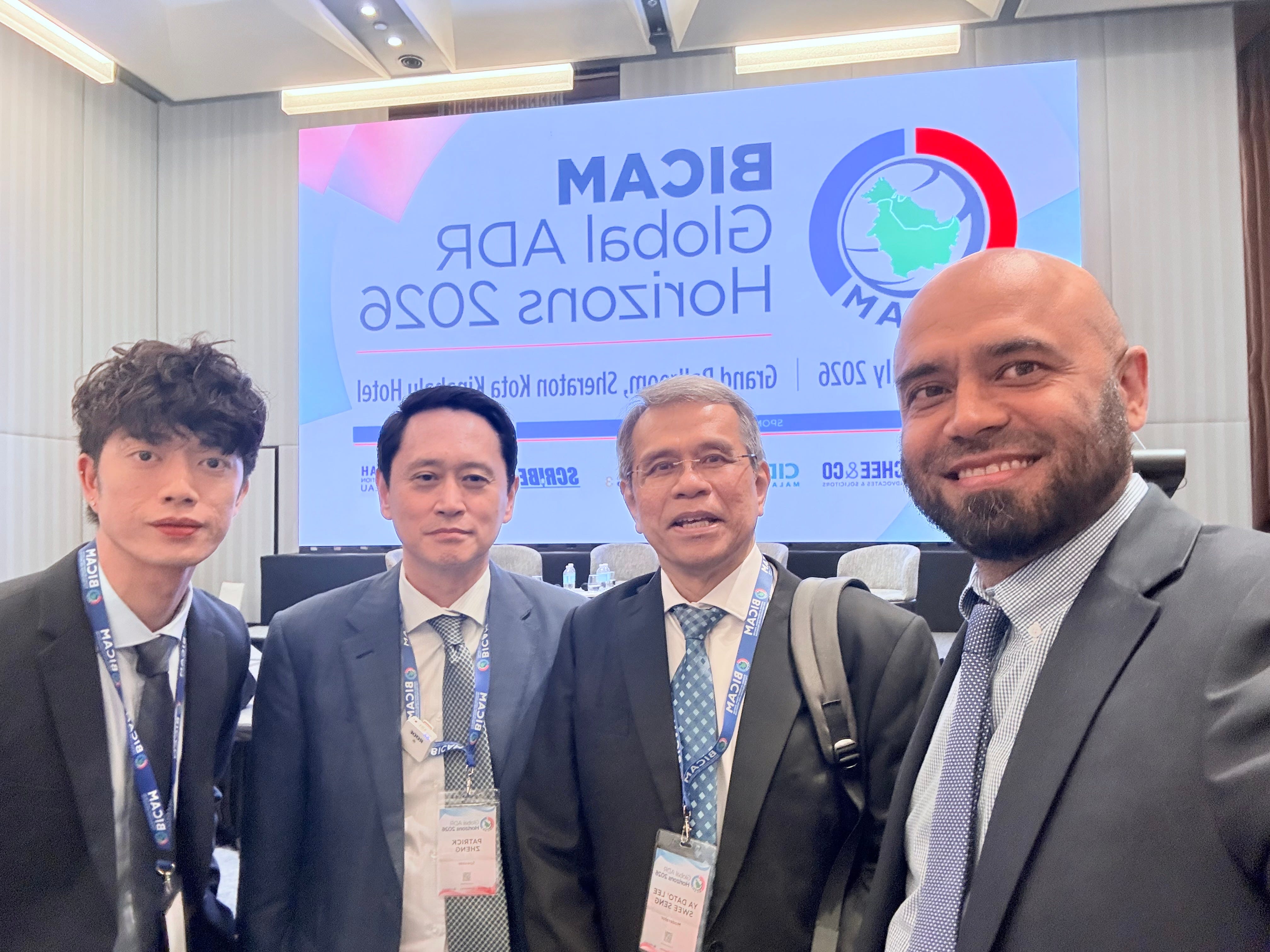
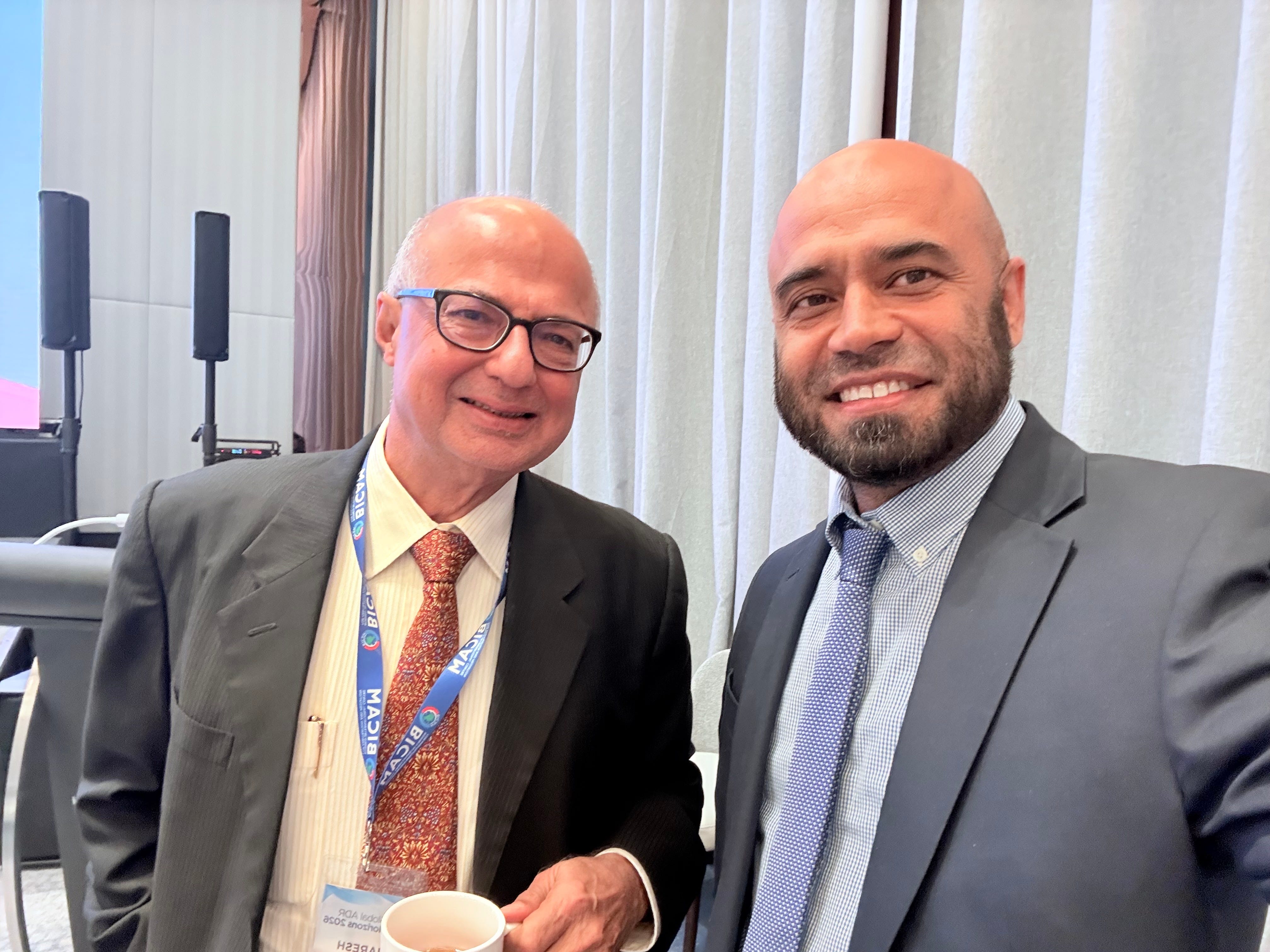
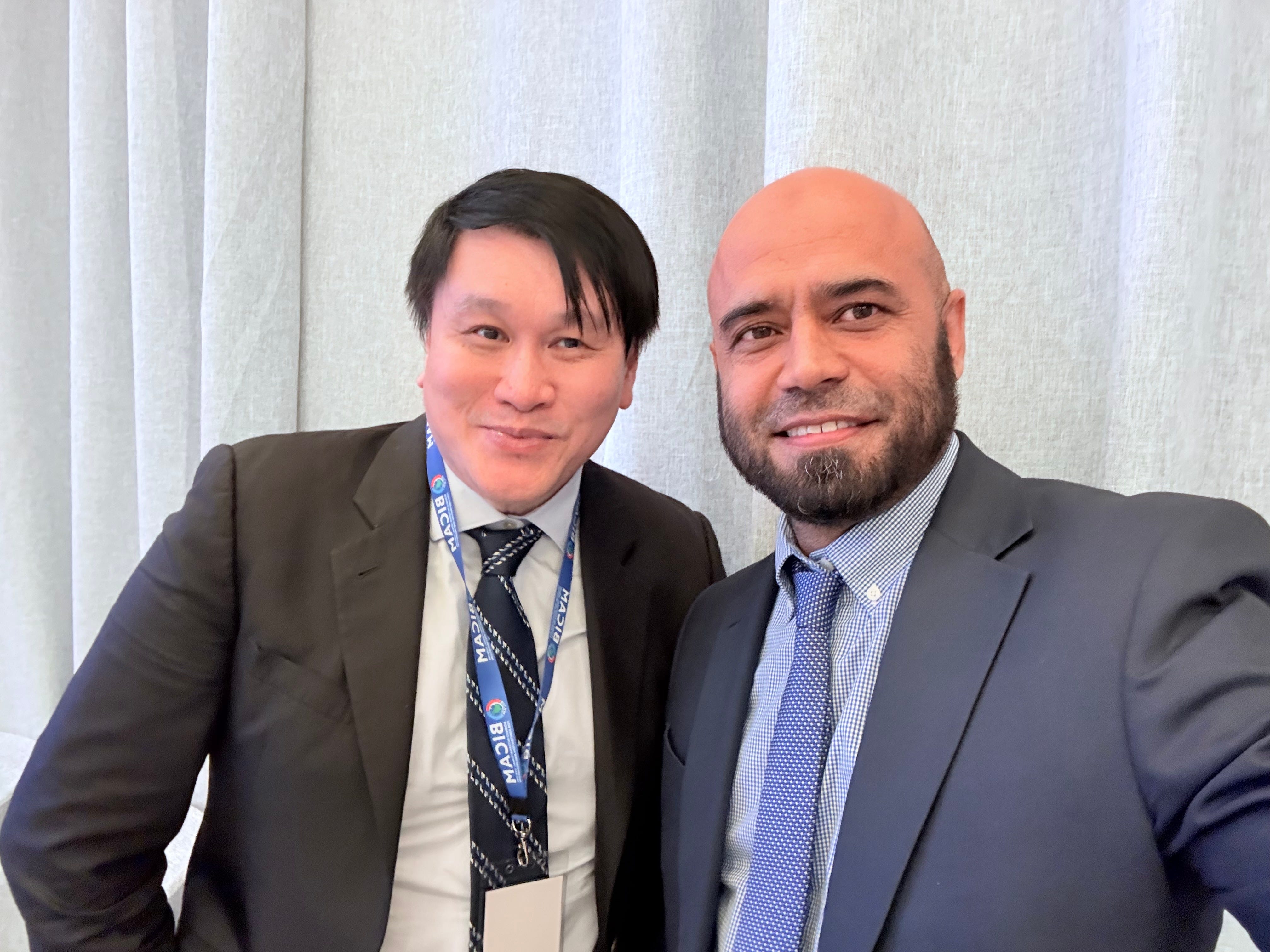
Finished an incredible 8-session marathon!
It has been an absolute honour to engage with such brilliant minds. As the discourse evolves toward the future of technology in dispute resolution, "balance" should be the keyword.
Looking forward to continuing our conversations on arbitration and AI.
One of the final questions I had the privilege of suggesting to the panel, indeed, the second-last question of the programme, was:
Should parties and arbitrators be required to disclose their use of AI in arbitration? Why or why not…
Given the potentially catastrophic consequences for arbitral awards, would a disclosure obligation create a new minefield for post-award challenges…
If AI use must be disclosed, would parties and arbitrators also need to disclose which AI model was used, when and how it was used, for what purpose, what data was uploaded, what outputs were generated, and even provide a complete audit trail of its use…
If AI use is not disclosed, an award may be challenged for non-disclosure. Yet if it is disclosed, parties may seek to challenge the specific AI model used, its legality in the relevant jurisdiction, the manner in which it was accessed, or whether the use of AI compromised the confidentiality of the proceedings.
Does mandatory AI disclosure therefore risk creating a no-win situation that undermines the very principles of confidentiality, finality, and enforceability that arbitration is designed to protect…
YA Dato’ Lee Swee Seng, Judge, Federal Court of Malaysia, Jintao OU, Patrick Zheng, James Kwan, Professor Abe Shinichiro, Dutsadee Dutsadeepanich (ดุษดี ดุษฎีพาณิชย์) , Yiwen (Wenny) Huang, FCIArb, Naresh Mahtani, Borneo International Centre for Arbitration and Mediation (BICAM)