

The Greater Bay Area’s arbitration opportunity is not to make Hong Kong, Shenzhen and Macao identical.
It is to make their differences work better for users.
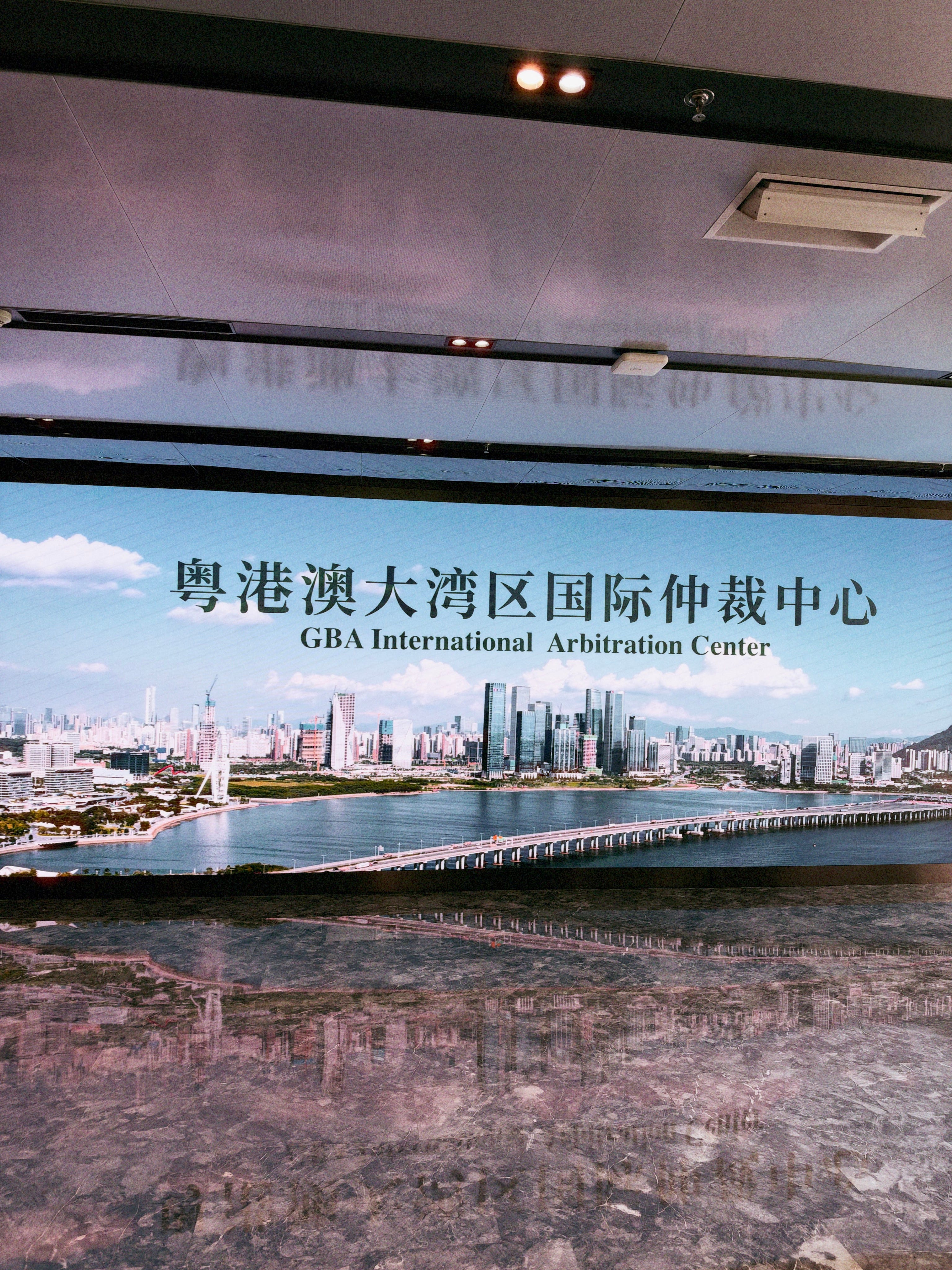
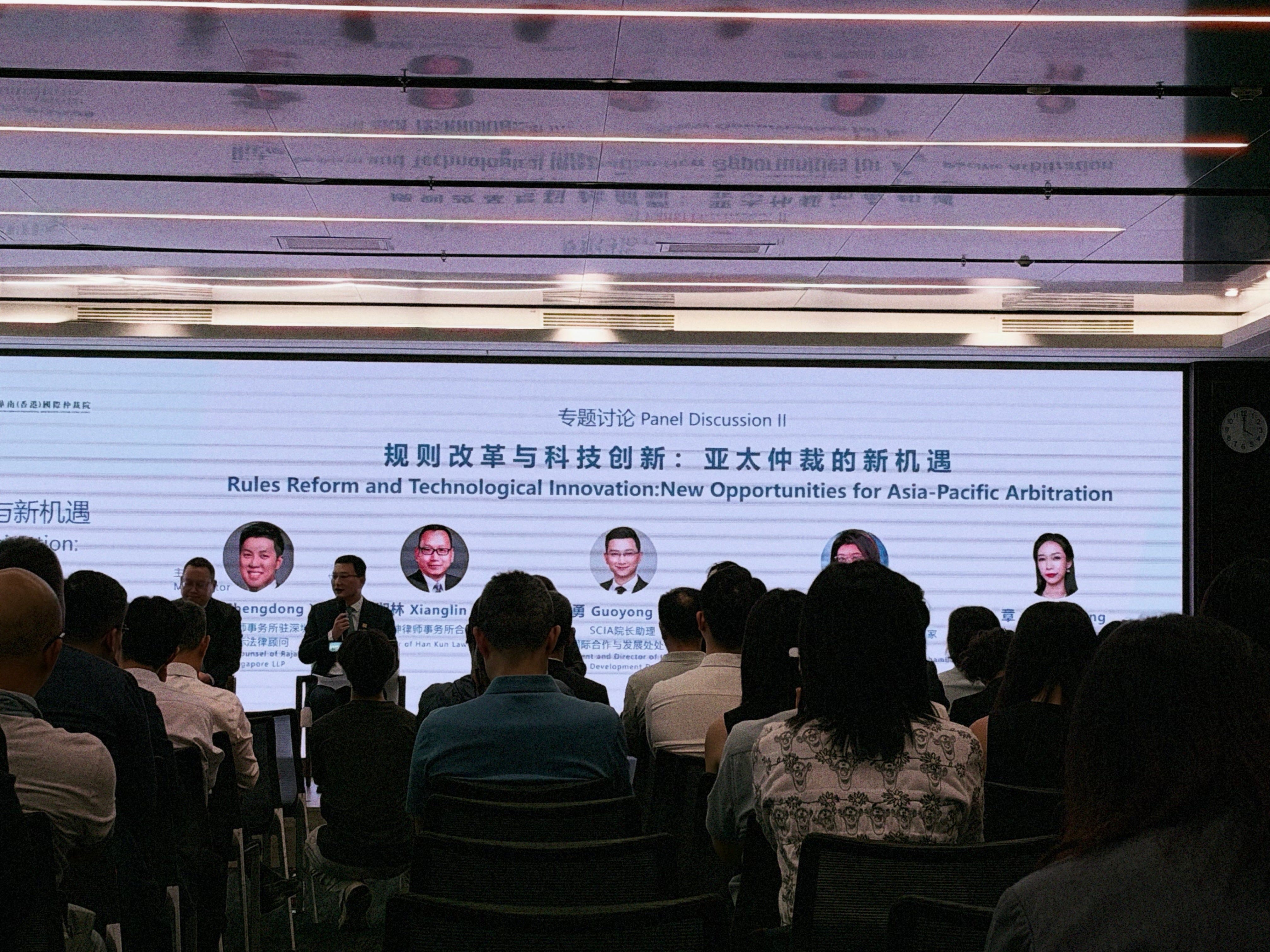
My reflection after “China and Asia-Pacific International Arbitration: Difference, Bridge and New Opportunities” at the GBA International Arbitration Centre, Shenzhen.
Two questions:
Who gets to deliver arbitration?
And will the mechanisms we offer work where needed?
The idea is interoperability: distinct legal frameworks and professional communities working together without pretending their differences have disappeared.
Takeaways:
1. Connect the talent, not just the institutions.
The diversity discussion went beyond gender and ethnicity to professional backgrounds, expertise and perspectives.
A question: if regional cooperation connects institutions but appointments continue circulating among the same familiar names, how much have we opened the field?
Fresh to the appointment pool does not necessarily mean inexperienced in the profession.
The objective should not be appointments for novelty’s sake. It should be serious consideration of qualified candidates beyond existing networks.
Availability belongs in that assessment too. An arbitrator may still have a full diary.
That does not make established arbitrators inefficient or newer candidates faster. It makes actual capacity a question to investigate, not something to infer from reputation.
2. A procedural tool is not yet an effective remedy.
The reform discussion sharpened another distinction: what institutional rules permit is not necessarily the same as what the relevant legal framework will support.
Before recommending a mechanism, trace its intended effect:
Who must act? Where? Under what authority? What happens if cooperation is refused?
A sophisticated clause can leave that chain untested.
The regional opportunity is to make these interfaces easier to navigate, not to imply that institutional cooperation removes every legal obstacle.
3. Preserve difference. Reduce friction.
The GBA is not one arbitration jurisdiction. Its framework encompasses Mainland China, Hong Kong and Macao, three jurisdictions within “one country, two systems.” Shenzhen operates within the Mainland framework.
The ambition should therefore be connection, not assumed uniformity.
Different approaches can offer meaningful choices. But those choices are valuable only if users understand their consequences.
Technology should support that understanding, not place a seamless interface over unresolved legal questions.
The test for GBA arbitration cooperation:
Does it broaden access to suitable expertise?
Does it make procedural choices more intelligible?
Does it reduce friction when a dispute crosses legal boundaries?
A bridge earns its value when people can cross it.
#InternationalArbitration #GreaterBayArea #HongKong #Shenzhen #Macao #HKIAC #SCIA #SCIAHK