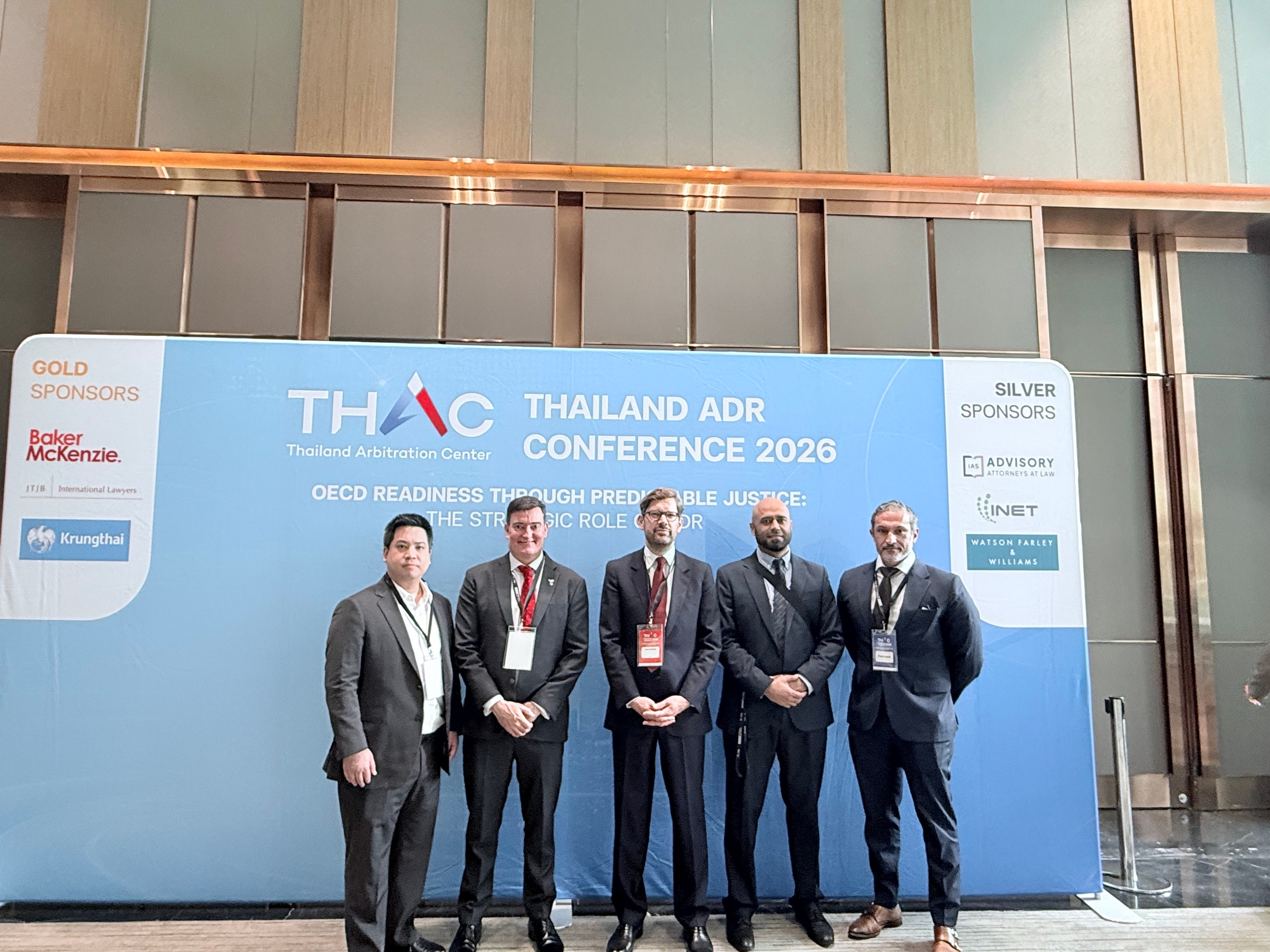
#Arbitration, Finality, and Procedural Efficiency
Key Insights:
The selection of arbitrators is one of the most consequential decisions in any arbitration. Reputation alone should not drive appointments. A well-known arbitrator may have extensive commitments and limited availability, which can contribute to delays. Parties should instead focus on suitability, experience, availability, and familiarity with the type of dispute being resolved. Conducting proper due diligence before making appointments is essential.
Efficiency can also be improved through greater awareness of procedural tools available under institutional rules. Mechanisms such as joinder, consolidation, and single proceedings involving multiple contracts can streamline disputes, reduce duplication, and avoid conflicting decisions. Understanding these options early allows parties to make more strategic procedural choices.
Document production was highlighted as one of the most expensive and time-consuming aspects of arbitration. Broad requests can dramatically increase Costs and prolong proceedings. Careful consideration should therefore be given to the necessity and scope of document requests. Limiting the number of requests, reducing overly broad categories, and requiring focused applications can improve efficiency without compromising fairness.
Lengthy proceedings, extensive document production, and rising Costs risk undermining arbitration's traditional advantages. Maintaining proportionality and resisting procedural excess are therefore important responsibilities for all participants.
Responsibility for efficiency is shared, but ultimate authority rests with the tribunal. Counsel have a duty to protect their clients' interests, which may not always align with procedural speed. Tribunals, however, are responsible for enforcing deadlines, maintaining momentum, and ensuring that proceedings remain fair and proportionate. Strong case management and adherence to agreed timetables are critical to achieving effective outcomes.
Mediation was recognised as a valuable pathway to commercial resolution, particularly when parties have different levels of information, confidence, or bargaining power. The mediation process can help parties better understand the strengths and weaknesses of their positions and move toward practical settlement solutions. At the same time, commercial realities and existing imbalances between parties cannot always be removed and sometimes must be acknowledged to achieve durable outcomes.
Ultimately, finality in dispute resolution does not occur automatically. It requires careful planning, informed drafting, thoughtful appointments, disciplined procedural management, and active participation from everyone involved. Efficiency, fairness, and finality are interconnected objectives that depend upon decisions made throughout the entire life cycle of a dispute.
Last Panel Discussion:
Enforceability of Arbitration Awards and the Rule of Law
Key Insights:
• Institutional arbitration rules have undergone significant revisions aimed at improving efficiency, fairness, and case management.
• While procedural innovations are intended to improve efficiency, concerns were raised that certain mechanisms may also increase complexity and create opportunities for further disputes.
• The availability of ex parte applications under some institutional rules prompted discussion regarding how such procedures should be balanced with due process, natural justice, and the rule of law.
• The panel discussed the need to balance procedural fairness and efficiency in arbitration proceedings.
• “Due process paranoia” was described as a situation where arbitrators become overly concerned about possible challenges to awards and consequently allow excessive procedural opportunities.
• Statistics referenced during the discussion suggested that successful challenges to arbitral awards on due process grounds may be relatively uncommon in certain jurisdictions.
• Guerrilla tactics and obstructive conduct by parties were identified as recurring issues in arbitration proceedings.
• Examples discussed included excessive document production requests, repeated procedural applications, jurisdictional challenges, refusal to pay deposits, and delay tactics.
• Some panellists suggested that greater use of cost awards may help discourage abusive procedural conduct and wasted Costs, although approaches may differ across tribunals and jurisdictions.
• Party autonomy was described as a fundamental aspect of arbitration, with tribunals deriving their authority from the parties’ agreement.
• Hong Kong and Singapore were mentioned in discussions concerning arbitration-friendly jurisdictions.
• The possibility of greater regional consistency within ASEAN regarding public policy and arbitration-related issues was discussed.
• Panellists discussed whether institutions should empower arbitrators more clearly through institutional rules and guidance.
• Security for Costs, security for claims, and procedural timetable management were discussed as tools that may assist in addressing delays in arbitration proceedings.
• Parties experiencing delays were encouraged to use available institutional and procedural mechanisms to raise concerns regarding case progress.
The End!
#THAC #SIAC #AIAC #HKIAC #Arbitration #InternationalArbitration #RuleOfLaw #DisputeResolution #ADR #ASEAN
#thac #siac #hkiac #aiac #icc