
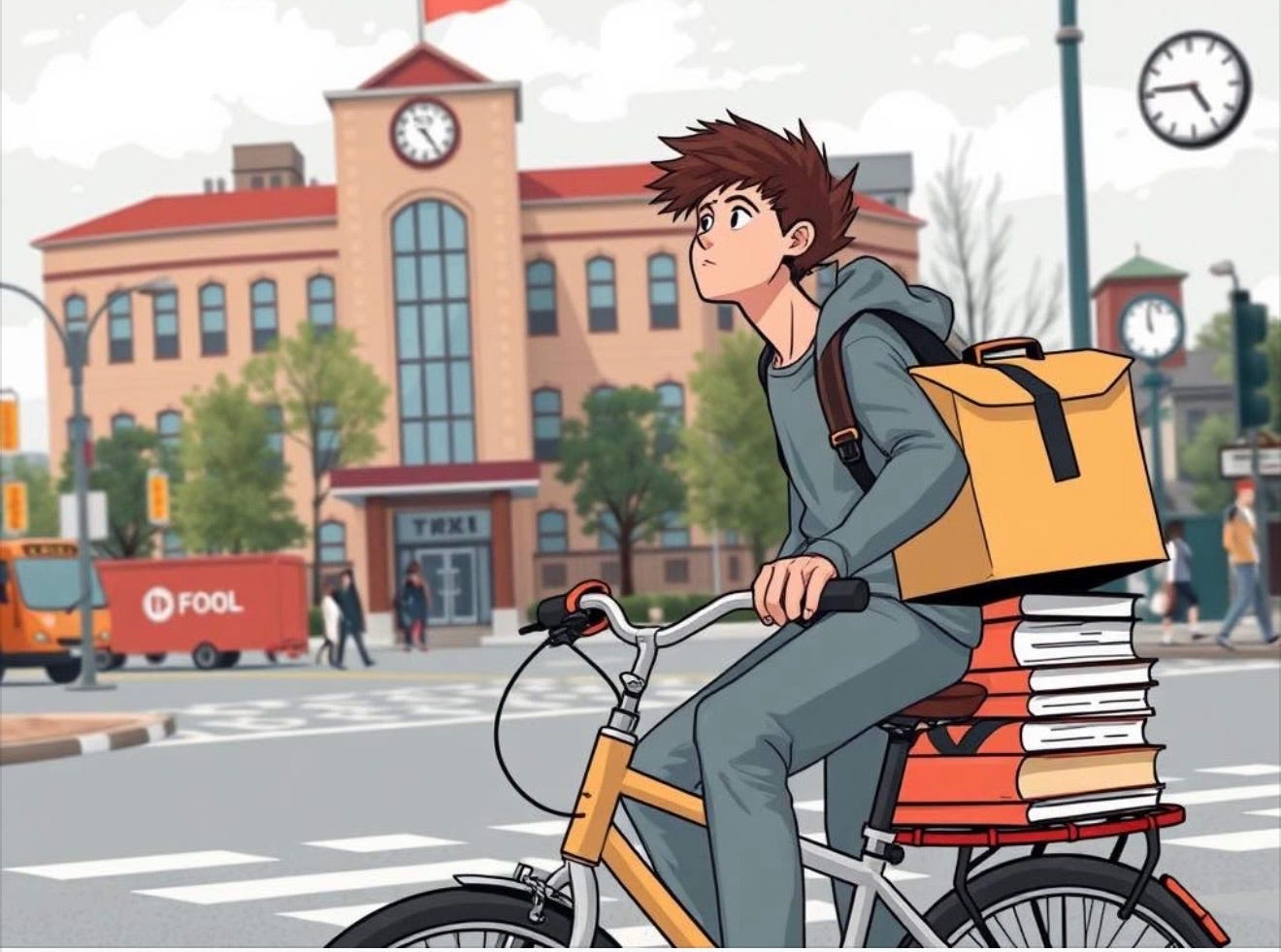
The Rising Trend of Youth in the Gig Economy: A Crossroad of Choices and Consequences
In recent years, platforms like Foodpanda, Uber Eats, Keeta and similar delivery services have surged in popularity, offering flexible earning opportunities. These platforms have become a tempting alternative to attending school for many young people, especially teenagers in Form 2 or 3. However, this shift raises critical questions about priorities, awareness, and long-term implications. Are young people making informed choices? Are families fully considering the risks? And what happens if this seemingly convenient path suddenly vanishes?
Is Skipping School for the Gig Economy a Wise Trade-Off?
The allure of instant income is undeniable. For teens, earning money early can feel empowering—a chance to contribute to household expenses, buy personal items, or even gain independence. But does this short-term gain justify sacrificing education? School isn’t just about academic knowledge; it’s a space for developing critical thinking, social skills, and emotional resilience. When young people exit formal education prematurely, what gaps might emerge in their ability to navigate complex challenges later in life?
Are Parents Aware of the Hidden Risks?
Parents often support their children’s decisions with the best intentions, valuing financial responsibility and work ethic. But are families thoroughly weighing the dangers? Gig work exposes youth to physical risks—road accidents, exhaustion, or unsafe environments. Emotionally, the pressure of irregular income and customer demands can strain mental health. Worse, without formal contracts or benefits, these jobs offer little security. Are parents considering how a lack of education might limit their child’s future opportunities?
What Happens to Emotional and Physical Growth?
Adolescence is a pivotal phase for holistic development. Schools provide structure, peer interactions, and mentorship—elements crucial for emotional maturity. While teaching responsibility, Gig work often isolates young workers in a transactional environment. Physically, long hours on the road can lead to chronic stress or injuries. Does substituting classroom learning with gig labour risk stunting their growth into well-rounded adults?
If Platforms Shut Down, What’s Next?
The gig economy is volatile. Companies can downsize, change policies, or close overnight. Imagine a 16-year-old who dropped out of Form 2 to deliver food suddenly facing unemployment. Without education credentials or specialised skills, how would they compete in a job market increasingly demanding qualifications? Re-entering school later may feel impossible, trapping them in low-wage cycles. Is this a risk worth taking?
The Bigger Picture: What Future Are We Building?
Education is an investment in adaptability. While gig work offers immediate rewards, it rarely provides pathways for advancement. A teenager today might earn a steady income, but what happens in a decade when automation or market shifts disrupt these roles? Without foundational knowledge or certifications, career pivots become daunting. Are we raising a generation prepared for uncertainty or one vulnerable to it?
A Call for Reflection, Not Judgment
This isn’t about blaming youths or parents. Financial pressures, societal norms, and the gig economy’s appeal are real. But it’s vital to ask: Are we prioritising today’s convenience over tomorrow’s stability? Can families explore alternatives—part-time work after school, vocational training, or scholarships—that balance earning and learning?
The choices made today will shape the opportunities of tomorrow. For youths tempted by quick cash and parents navigating tough decisions, the question isn’t just about what works now—it’s about what sustains forever.
Let’s reflect: What kind of future are we enabling? And is there a way to safeguard both the present and the years ahead?
Lastly, I would like to thank my dear friend Muhammad Yasir Iqbal for bringing this matter to my attention.
Ahmed Ashfaq